Key takeaways
- Pick a coffee table that is roughly half to two-thirds the length of your sofa so it looks balanced, not lost or crowded.
- Keep the table top 1 to 2 inches below your sofa seat cushion, which usually means a height of 16 to 18 inches (41 to 46 cm).
- Leave 14 to 18 inches (36 to 46 cm) between the table edge and the sofa so people can reach a cup without stretching.
- In small or busy rooms, round and oval tables or a storage design with a shelf or drawers keep the space open and tidy.
- Match the material and finish to the rest of the room: wood for warmth, glass for an airy feel, metal and marble for a modern look.
To choose a coffee table, match its size to your sofa, pick a height level with the seat cushion, and leave enough room to walk around it. A good coffee table sits at the centre of your lounge and pulls the seating together, so the right dimensions matter more than the price tag. This guide walks through how to choose a coffee table step by step, from measuring your sofa to styling the finished piece.
Most of the hard work is measuring. Once you know your sofa length, the gap you can spare, and whether you need storage, the shortlist gets small fast.
How to Choose a Coffee Table That Fits Your Sofa and Space
The size question is where most people go wrong, so start here. A table that is too small floats in front of the sofa and looks like an afterthought. One that is too big blocks the walkway and makes a small lounge feel cramped.
Use these three guidelines, which come from furniture design research published by the DIY furniture resource Flowyline:
- Length: choose a table between one-half and two-thirds the length of your sofa. A three-seater around 180 cm long pairs well with a table roughly 90 to 120 cm long.
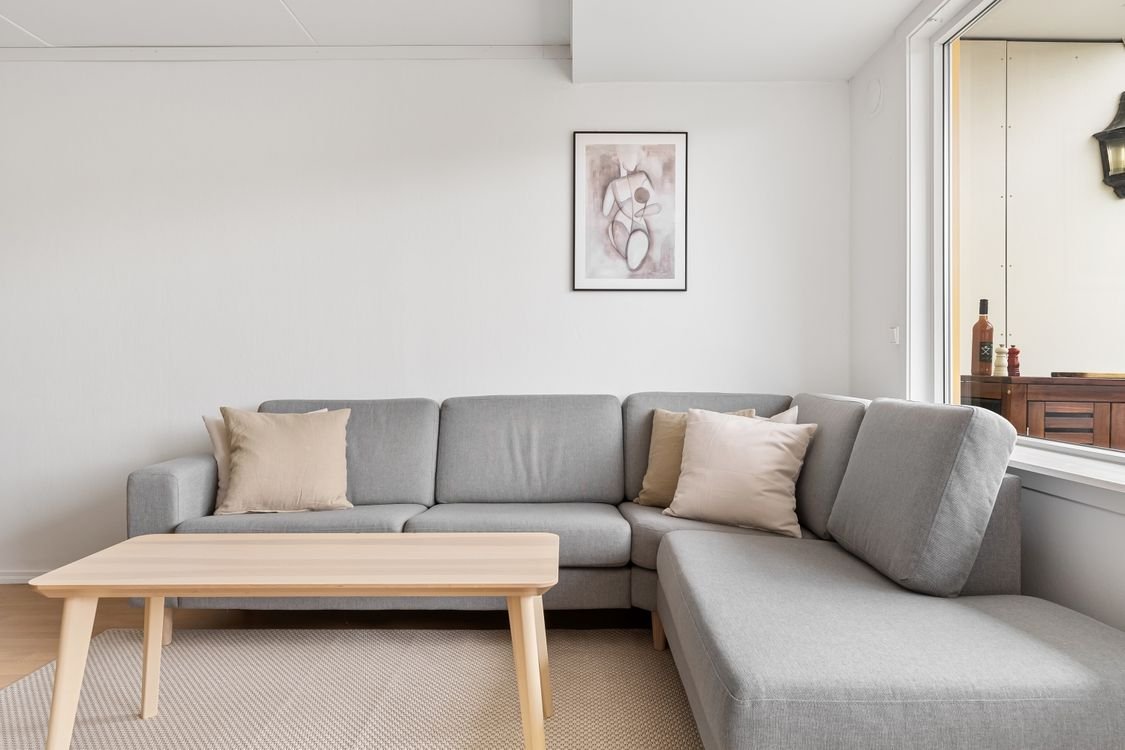
- Height: keep the top 1 to 2 inches lower than the sofa seat cushion. In practice that means a standard height of 16 to 18 inches (41 to 46 cm) off the floor.
- Clearance: leave 14 to 18 inches (36 to 46 cm) between the table edge and the front of the sofa.
One more number matters for comfort. Try to keep at least 24 inches (about 60 cm) of walking space around the table so no one has to squeeze past. If your room is tight, the shape of the table can claw back some of that space, which is covered further down.
Before you shop, measure your sofa length, the distance from the sofa to the TV wall, and the width of the main walkway. Write those three numbers down. They turn a showroom of options into a short list you can actually buy from.
Materials and Finishes That Suit Your Style
The material sets the mood of the room and decides how much upkeep you sign up for. Each option earns its place for a different reason, so weigh looks against daily life with kids, pets and spilled tea.
Wood
Solid wood or wood-effect tables bring warmth and hide the odd scratch well, which makes them forgiving in a family lounge. Lighter oak tones feel relaxed and open, while darker finishes read as more formal. Wood pairs with almost any sofa colour, so it is the safe choice when you are unsure.
Glass
A glass top keeps a small room feeling open because light passes straight through it, so the table takes up less visual space. The trade-off is fingerprints and the need for careful handling. Toughened glass is the sensible pick if young children are around.
Metal and Marble
Metal frames, often paired with a wood or stone top, give a clean, modern edge. Marble or marble-effect tops look rich and sit heavy, so they stay put and resist heat, though real stone needs sealing and can stain. Marble-effect ceramic or laminate gives a similar look with far less fuss.
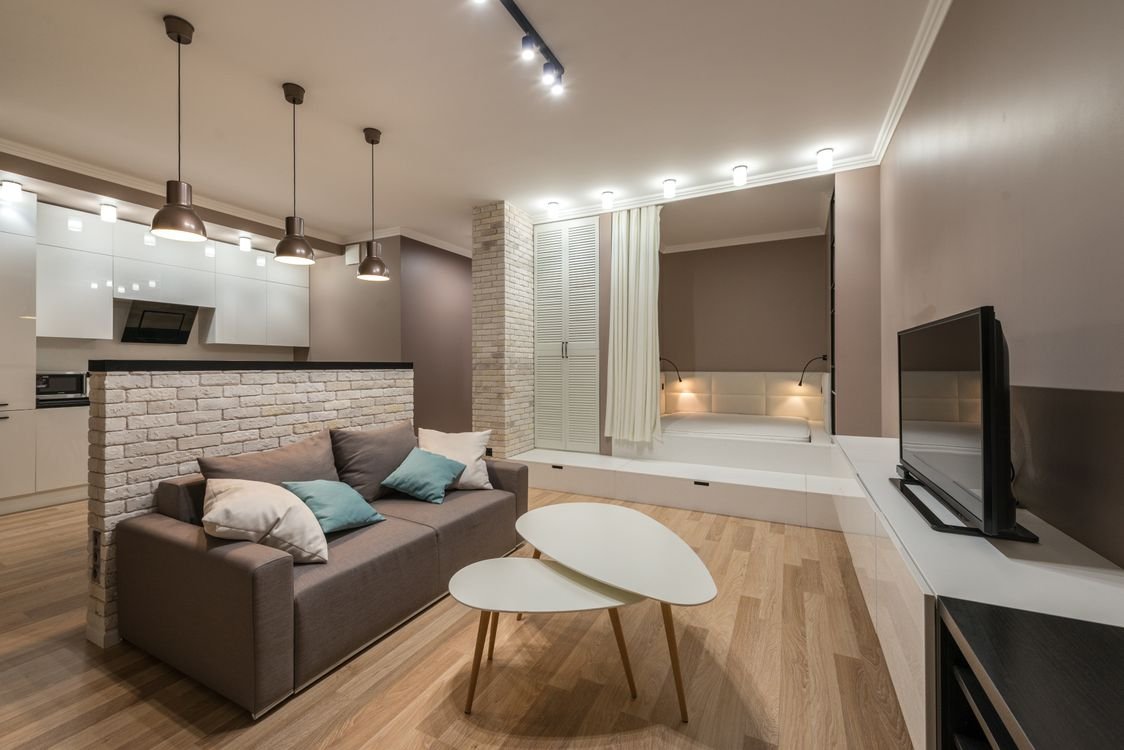
Whatever material you choose, tie it to something already in the room. A wood table echoes a wooden TV unit or floor, and a black metal frame picks up on dark curtain rails or light fittings. That small bit of repetition makes the whole space feel planned.
Storage Coffee Tables for Tidy Lounges
A storage coffee table earns its keep in a busy household by giving remotes, chargers, magazines and kids' bits a home. If your lounge surfaces are always cluttered, this is the single most useful upgrade you can make.
There are three common formats:
- Drawers: best for hiding small items out of sight. Good for remotes, coasters and charging cables.
- Open lower shelf: keeps books and magazines handy while clearing the top. Easy to reach, though the contents stay visible.
- Lift-up top: the top rises and slides toward you to reveal a deep hidden compartment, and some double as a quick laptop or snack surface on the sofa.
Storage tables matter most in homes where the lounge does several jobs at once. If your living space is also where you work, relax and host, built-in storage keeps the clutter from taking over. The same thinking applies across the room, which is why a tidy layout works hand in hand with smart furniture choices when you arrange furniture in a small apartment.
Shapes That Work Best in Small Rooms
Shape is the quiet decision that makes a small lounge feel bigger or tighter. Rectangular tables suit long sofas and larger rooms, but in a compact space, rounded and flexible shapes win.
- Round and oval tables have no sharp corners, so they ease foot traffic and are safer around small children. They also stop the eye at a soft edge, which keeps a narrow room from feeling boxed in.
- Nesting tables are two or three tables that tuck under each other. You pull them out when guests arrive and slide them away afterwards, so they flex with the room.
- A table with a slim footprint or raised legs lets the floor show underneath, which tricks the eye into reading more open space.
If you have a corner sofa or L-shaped seating, the table needs to sit within easy reach of the whole run, not just one end. A smaller square or round table in the inner angle of the seating often works better than one long rectangle. Our corner sofa buying guide goes deeper on planning that kind of layout.
Styling Tips to Finish Your Living Area
Once the table is in place, a few small touches turn it from furniture into the heart of the room. The goal is a styled surface that still leaves space for a cup and a plate.
A simple formula keeps it from looking cluttered:
- Add height with one tall item, such as a small vase, a candle or a trailing plant, to draw the eye up.
- Stack two or three books flat to create a low layer and a surface for a smaller object on top.
- Include one natural element, like a plant or a bowl, to soften the hard tabletop.
- Leave at least a third of the surface clear so the table stays usable day to day.
Keep a tray on the table to corral the small items. A tray makes the group look deliberate and lets you lift everything off in one move when you need the space. Match one object on the table to another colour in the room, a cushion or a curtain, so the table feels connected to the rest of the lounge rather than dropped in.
Bunnystore stocks a range of coffee tables in different sizes, materials and storage styles for South African homes, so once you have your sofa measurements you can filter straight to the shapes that fit your space.
The next step is the easy one. Measure your sofa length, the gap to the TV wall and your main walkway, then use those three numbers to shortlist tables that fit before you fall for a look. The right fit comes first, and the style follows naturally from there.
Frequently asked questions
What size coffee table should I get for my sofa?
Aim for a table about half to two-thirds the length of your sofa. For a three-seater around 180 cm long, a table roughly 90 to 120 cm long looks balanced.
How high should a coffee table be?
A coffee table usually sits 16 to 18 inches (41 to 46 cm) off the floor. The simplest rule is to keep the top level with your sofa seat, or 1 to 2 inches lower.
How far should a coffee table be from the sofa?
Leave 14 to 18 inches (36 to 46 cm) between the table and the sofa. That is close enough to reach a drink and wide enough to walk past comfortably.
What shape coffee table is best for a small living room?
Round and oval tables suit small rooms because they have no sharp corners and are easier to move around. A nesting set or a table with a lower shelf also saves space.
Is a storage coffee table worth it?
If your lounge collects remotes, magazines and chargers, yes. A table with drawers, a shelf or a lift-up top hides clutter and keeps surfaces clear without adding a separate cabinet.