Key takeaways
- Gas stoves and dual-fuel cookers keep working during any outage because they do not depend on the grid.
- An unopened fridge keeps food cold for about 4 hours and a full freezer holds for roughly 48 hours (FDA).
- Rechargeable lights, battery banks, and a small inverter cover the essentials without a full solar installation.
- South Africa recorded 300 consecutive days without load shedding by March 2026, but prepared homes still save money and stress.
The appliances worth having for load shedding share one trait: they keep working when the grid does not. Gas cooking, battery-powered lights, a charged power bank, and a fridge you leave shut will carry most South African households through an outage without drama. This guide covers the load-shedding home appliances that matter most, how to cook when the power is off, and how to protect the food already in your kitchen.
South Africa reached a quieter patch in 2026. Eskom marked 300 consecutive days without load shedding at midnight on 12 March 2026, with the energy availability factor sitting at 65.85% for the financial year to date (Eskom, 2026). That is good news. It is also why a sensible, low-cost setup beats panic buying a generator you may rarely use.
Which load-shedding home appliances keep working during outages?
The appliances that keep working during outages are the ones with their own power source or no electrical need at all. In 2026, the grid is far more stable than it was, but the economy still lost R481 billion to load shedding in 2024, an 83% drop from the R2.9 trillion lost in 2023 (CSIR, via Joburg ETC, 2025). A small, reliable kit removes most of that disruption at home.
Start with the four things a household actually needs when the lights go: cooking, light, phone charging, and internet. Each has a simple off-grid answer.
- Gas stove or portable gas burner for cooking
- Rechargeable LED lights or lanterns for each room
- A power bank sized to recharge phones two or three times
- A small inverter or UPS to keep the Wi-Fi router and a laptop alive
Everything else is a bonus. A rechargeable fan helps in summer, and a 12V kettle or a flask of pre-boiled water handles tea. Keep the kit in one drawer so nobody hunts for a torch in the dark.
If you are building a kitchen from scratch, it pays to pick efficient models first. Bunnystore stocks budget kitchen appliances that pair well with a load-shedding setup, so you can match an efficient fridge or stove to your space.
Gas stoves and dual-fuel cooking options
A gas stove is the single most useful load-shedding appliance because it cooks at full power whether the grid is up or down. Gas needs no electricity, no inverter, and no charge time. You light the burner, and dinner happens. For most South African homes, this is the cheapest path to cooking through any stage of load shedding.
You have three practical options, from smallest to largest:
- Portable single or double gas burner. Runs off a small canister or a 9kg cylinder with a hose. Cheap, easy to store, and ideal for renters.
- Freestanding gas hob with an electric oven. The hob works during outages while the oven runs on normal power.
- Dual-fuel range. Gas burners on top, electric oven below, giving you flexibility in one unit.
Dual-fuel cooking is the sweet spot for many households. You cook daily meals on gas and reserve the electric oven for baking when the power is on. A gas setup also rewards a little upkeep. Clean the burners, check the regulator, and inspect the hose before your first refill runs low.
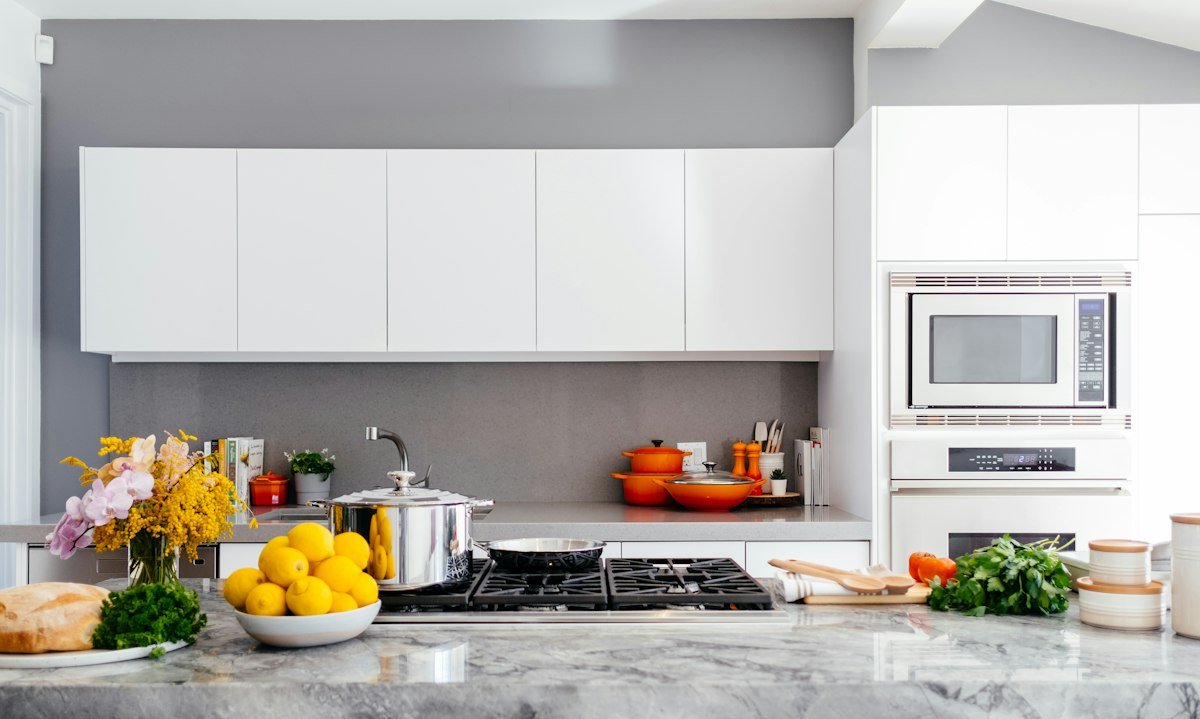
Safety matters with gas. Keep the cylinder upright, store it outside or in a ventilated space, and check the regulator and hose for cracks once a season. A soapy-water test along the connection will show bubbles if there is a leak.
Backup power and battery-friendly devices
Backup power for the average home is simpler than most people expect. You do not need solar panels to stay connected. A power bank, a few rechargeable lights, and a small inverter or UPS cover phones, lighting, and the Wi-Fi router through a typical outage. Heavy appliances like geysers, ovens, and tumble dryers are another matter and usually stay off during load shedding.
Think in tiers based on what you want to keep running:
| Load | What to use | Rough need |
|---|---|---|
| Phones and tablets | Power bank | 10,000-20,000 mAh |
| Lights per room | Rechargeable LED lamp | One per key room |
| Wi-Fi router and laptop | Mini UPS or small inverter | Low wattage, long runtime |
| Fridge and TV | Larger inverter plus battery | Higher cost, sized to load |
Battery-friendly devices make the whole system cheaper. LED bulbs, laptops, and phones sip power, so a modest battery lasts for hours. A fridge, by contrast, draws heavily when its compressor kicks in, so only size up if you genuinely need it. Switching to low-wattage lighting and unplugging idle gear stretches every watt your battery stores.
Charge everything before a scheduled slot. A power bank at 20% is no help when the lights go out, so a quick habit of topping up devices in the morning saves a frustrating evening.
Keeping food fresh when the power is off
The best thing you can do for your food during an outage is leave the doors shut. An unopened refrigerator keeps food cold for about 4 hours, and a full freezer holds its temperature for roughly 48 hours, or about 24 hours if it is only half full (U.S. FDA, 2026). Those numbers only hold if you resist opening the door to check.
A few habits make a real difference:
- Keep the freezer as full as you can. A packed freezer stays cold far longer than an empty one, so fill gaps with bottles of water.
- Group perishables together. A tighter cluster holds cold better than scattered items.
- Use a fridge thermometer. If the fridge climbs above 4 degrees C for more than a couple of hours, treat perishables with caution.
- Plan the fridge first. During longer outages, eat fridge food before you touch the freezer.
A chest freezer is a quiet hero here because it holds cold better than an upright and loses less air when opened. If you are weighing one up, compare the capacity you need against the floor space you have, since a chest model trades easy access for longer cold retention.
Smart buys to beat load-shedding stress
The smartest load-shedding buys are the cheap, dependable ones you will use every week, not a costly generator that sits idle. Spend first on a gas burner, rechargeable lights, and a power bank. Add a small inverter for the router. Only then consider a larger battery system if your area still sees frequent cuts. With the 300 days of grid stability noted above behind South Africa, right-sizing your spend matters more than ever.
A sensible shopping order looks like this:
- Gas burner or dual-fuel stove for cooking
- One rechargeable light per key room
- A power bank for phones and small devices
- A mini UPS or inverter for Wi-Fi and a laptop
- A full freezer habit, and a chest freezer if your budget allows
Watch for seasonal deals rather than paying full price. Load-shedding gear often turns up in promotions, and Bunnystore runs appliance discounts around Black Friday that are a good chance to catch a gas stove or freezer at a lower price.
The goal is a calm house during an outage, not a bunker. Pick the few appliances that keep working when the power does not, keep them charged and ready, and an outage becomes a minor pause rather than a crisis.
Ready to build your kit? Start with one upgrade that does the most work, a gas or dual-fuel stove, and browse the appliance range at Bunnystore to match it to your kitchen and budget.
Frequently asked questions
What appliances still work during load shedding?
Anything that does not rely on mains electricity. Gas stoves, battery-powered lights, rechargeable fans, power banks, and devices run through a charged inverter or UPS all keep working during an outage.
How long will food stay safe in my fridge without power?
An unopened refrigerator keeps food cold for about 4 hours, and a full freezer holds its temperature for roughly 48 hours (24 hours if half full), according to the FDA. Keep both doors shut.
Is a gas stove worth it for load shedding in South Africa?
Yes. A gas or dual-fuel stove lets you cook through any outage without a generator or inverter. Running costs are predictable, and you only need a refillable cylinder and a regulator.
Do I need solar panels to be load-shedding ready?
No. Most households get by with rechargeable lights, a power bank for phones, and a small inverter or UPS for the Wi-Fi router. Solar helps for heavy loads but is not essential for the basics.