
Key takeaways
- Always check the care tag code (W, S, W/S or X) before using any cleaner, because the wrong liquid can stain or shrink the fabric permanently.
- Weekly vacuuming is the single most effective habit for keeping a fabric sofa looking new, since it removes the grit that wears fibres down.
- Blot spills immediately instead of rubbing; rubbing pushes the stain deeper into the weave and padding.
- Roughly four out of five US homes carry dust mite allergens in bedding and upholstery, so regular cleaning is a health measure, not just a cosmetic one.
- Call a professional for X-coded fabrics, set-in stains, or large odours that home methods cannot shift.
To clean a fabric sofa, start by checking its care tag, vacuum it thoroughly, then treat stains with a cleaner matched to that fabric code. Keeping it looking new after that comes down to small weekly habits rather than one big annual scrub. A fabric sofa is one of the hardest-working pieces in any South African home, soaking up spills, pet hair, highveld dust and daily wear. The good news is that most of the wear people assume comes with age is simply the result of missed maintenance, and the right routine reverses it.
This guide walks through everyday maintenance, fast fixes for common spills, a full deep-clean method, how to pick safe products for your fabric, and the point where a professional is the smarter call.
Everyday Maintenance: How to Clean a Fabric Sofa Before Stains Set
The best way to clean a fabric sofa is to stop it getting dirty in the first place. Weekly vacuuming with an upholstery attachment is the most important habit, because loose grit acts like sandpaper inside the weave and grinds down the fibres every time someone sits. Pull out the cushions and vacuum the crevices too, where crumbs, coins and dust collect.
Rotate and flip loose cushions once a week so they wear evenly and keep their shape. If one end of the sofa gets all the use, swapping the cushions stops that spot from flattening and fading faster than the rest.
Keeping a sofa clean is also about the air around it. Dust mites and their allergens settle into soft furnishings, and in the United States roughly four out of five homes have dust mite allergens in at least one bed, with upholstered furniture holding them the same way (American Lung Association). Regular vacuuming and the occasional airing out keep those levels down, which matters for anyone in the house with allergies or asthma.
A few simple rules go a long way:
- Keep the sofa out of direct sunlight, which fades fabric over months.
- Treat new fabric with a fabric protector spray so spills bead up instead of soaking in.
- Have a no-food rule, or at least a throw blanket, in the heaviest-used spots.
Removing Common Spills Like Coffee, Wine and Ink
Speed matters more than product. The moment something spills, blot it with a clean, dry cloth or paper towel, pressing straight down and lifting. Never rub, because rubbing drives the stain deeper into the weave and the padding underneath, turning a surface mark into a lasting one.
Once you have lifted as much liquid as possible, match the fix to the spill. Always test your cleaner on a hidden patch first, and work from the outside of the stain inward so it does not spread.
- Coffee and tea: Blot, then dab with a mix of one cup cool water and a teaspoon of mild dish soap. Rinse by blotting with a cloth dampened in clean water, then pat dry.
- Red wine: Blot hard, sprinkle salt to pull up the remaining liquid, then treat with the soap-and-water solution. A splash of white vinegar in the water helps lift the colour.
- Ink: Press a cloth lightly dampened with rubbing alcohol onto the mark, blotting rather than wiping. Change to a clean part of the cloth as the ink transfers.
- Grease and food: Sprinkle bicarbonate of soda to absorb the oil, leave 15 minutes, vacuum, then spot-clean.
For water-safe fabrics, a homemade blotting solution handles most household spills. The one rule that applies to every stain is to act before it dries.
Deep-Cleaning Your Upholstery Step by Step
A full clean every three to four months refreshes the whole sofa, not just the spots you notice. Set aside an afternoon, open a window for airflow, and work in this order so you never put a wet cushion back onto a dusty frame.
- Vacuum everything. Remove the cushions and vacuum both sides, the frame, the arms and the crevices. This step removes the grit that would otherwise turn to mud once the fabric gets damp.
- Deodorise with bicarbonate of soda. On water-safe fabric, sprinkle a thin, even layer over the cushions and body, leave it 15 to 20 minutes to absorb trapped odours, then vacuum it all off.
- Spot-treat remaining marks. Go over any stains with the cleaner matched to your fabric code, blotting rather than scrubbing.
- Clean the full surface. Work a lightly foamed upholstery shampoo or mild soap solution across the fabric in sections with a soft cloth or brush, using as little moisture as possible.
- Rinse and dry. Wipe with a cloth dampened in clean water to lift any soap residue, then let the sofa dry completely before replacing cushions. A fan speeds this up and prevents a musty smell.
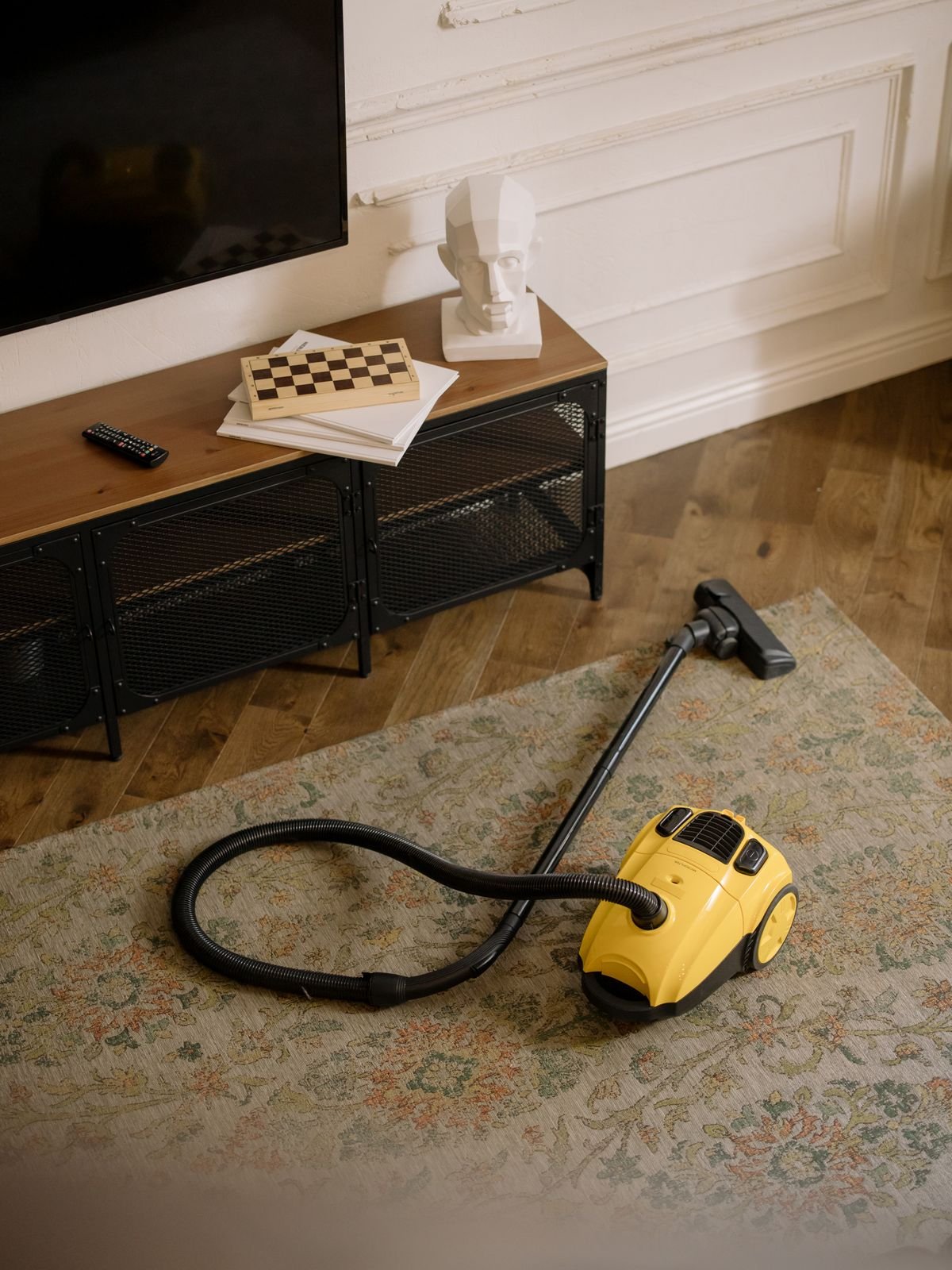
The drying stage is where most home deep-cleans go wrong. Fabric that is put back together while still damp traps moisture in the padding, and that is what breeds mildew and the sour smell that follows. Patience here protects all your earlier effort. The same care applies to multi-use pieces: if you own a convertible model, our sleeper couch buyer's guide covers how the folding mechanism and mattress change your cleaning routine.
Choosing Safe Cleaning Products for Different Fabrics
The single most important label on your sofa is the cleaning code, usually printed on a tag under a seat cushion or on the frame. Using the wrong cleaner on the wrong fabric is how people ruin a sofa while trying to clean it, so read the code before you buy or mix anything.
The four codes are standard across furniture sold internationally, including most upholstered furniture in South Africa:
- W: Water-based cleaners are safe. Mild soap and water, foam upholstery shampoo and, for many W fabrics, careful steam cleaning. Common on polyester, nylon and most microfibres.
- S: Solvent only. Use a water-free dry-cleaning solvent and keep water away entirely, as water leaves rings and shrinks these fabrics. Common on cotton, linen, rayon, wool and silk.
- W/S: Either water-based or solvent cleaners work. Start with the gentler water-based option and move to solvent only if needed.
- X: No liquid of any kind. Vacuum or brush only. Any cleaner, water or solvent, risks permanent damage.
Whatever the code, test every product on a hidden area first and wait for it to dry before you commit to the whole sofa. Reach for mild, fragrance-free cleaners over harsh all-purpose sprays, which can bleach or stiffen fabric. South African households can use familiar gentle dish soaps for W-coded fabric, but the test-patch rule still applies every time.
Why does the code matter so much? Because the damage from using water on an S-coded or X-coded fabric, the brown rings, the shrinkage, the distorted weave, usually cannot be undone at home.
When to Call in a Professional Cleaner
Some jobs are beyond a cloth and a bottle of dish soap. Call a professional upholstery cleaner for any X-coded fabric, for stains that have set in or already been scrubbed, and for deep odours like smoke or pet accidents that have reached the padding. Professionals have the equipment to clean and extract moisture properly without soaking the frame.
The case for occasional professional cleaning is partly about health. A national US housing survey found that 84.2% of homes had detectable dust mite allergen in at least one surface, and 24.2% had levels high enough to be associated with asthma (Journal of Allergy and Clinical Immunology, 2003). A thorough professional clean reaches deeper into cushions than most home methods can.
A yearly professional clean is a reasonable baseline for a family sofa in daily use. Light-coloured fabric, homes with pets or small children, and anyone with allergies may want it more often. Weigh the cost against the price of replacing the sofa, and the maths usually favours cleaning.
If you have reached the point where cleaning no longer helps, where the frame sags or the fabric has worn through, it may be time to replace rather than restore. Browsing current fabric sofa ranges at Bunnystore is a sensible next step, since choosing a fabric with a forgiving care code the second time around makes every future clean easier.
Frequently asked questions
How often should I clean a fabric sofa?
Vacuum weekly, spot-clean spills as they happen, and do a full surface clean every three to four months. Book a professional deep clean once a year for heavily used sofas.
What does the W, S, W/S or X code on my sofa mean?
W means water-based cleaners are safe, S means use solvent (dry) cleaners only, W/S means either is fine, and X means vacuum or brush only with no liquid at all.
Can I use baking soda on a fabric sofa?
Yes, on most water-safe (W or W/S) fabrics. Sprinkle it over the dry cushions, leave it for 15 to 20 minutes to absorb odours, then vacuum it off thoroughly.
How do I get a dried stain out of upholstery?
Loosen the dried residue with a soft brush, then blot with a cleaner matched to your fabric code. Set-in stains often need a professional, as home scrubbing can spread them.
Is it safe to steam clean a fabric sofa?
Only on W-coded fabrics, and only after you have tested a hidden patch. Steam can shrink or watermark S-coded and X-coded fabrics, so check the tag first.



1 Comment